About SHULOOK
SHULOOK is a footwear label built around one idea: a shoe is judged by the end of a shift, not by the first hour. The people behind SHULOOK started with a single non-slip pair for kitchen work, and the lineup grew the way the job does, into boots for cold stores, trail boots for days off, and light slip-ons for the walk home.
We at SHULOOK sell through one retail partner, and every style page carries the size run, the width where the maker offers one, the colour as the maker names it, and the price we last updated. Nothing is hidden behind a form.
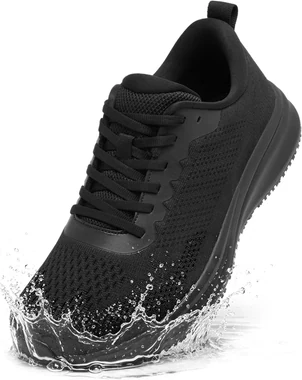 Non-slip work shoes18 pairs · from $36.09
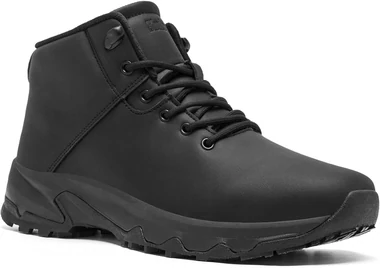 Non-slip work boots10 pairs · from $36.99
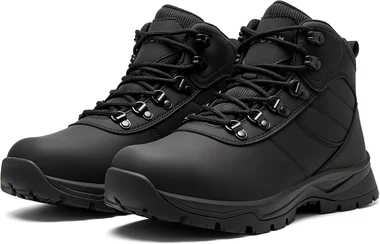 Hiking boots and trail shoes20 pairs · from $39.98
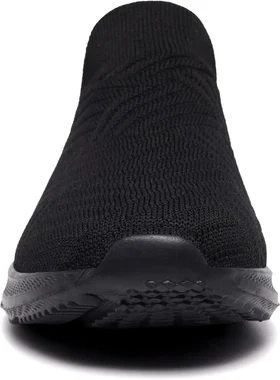 Slip-on walking shoes8 pairs · from $17.09
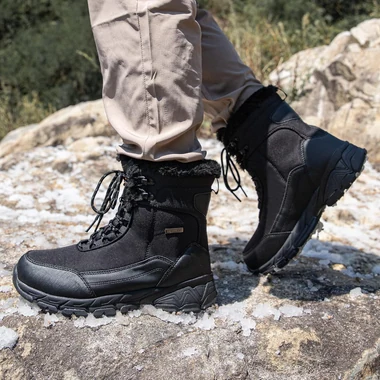 Winter and snow boots7 pairs · from $37.99
The SHULOOK approach to a work shoe starts at the sole. A tread for a kitchen is cut to move oil and water out from under the foot, and it wears differently from a trail lug. When the maker states the pattern or the rubber, the style page names it.
The upper is the second decision. Mesh breathes and dries quickly, and it takes a splash better than it takes a fryer. Leather and synthetic suede wipe clean and hold their shape longer, and they run warmer. We cut both, and the product page names which one you are buying.
| What we counted | How many |
|---|---|
| Pairs priced in this update | 63 |
| Sizes with their own price | 159 |
| Pairs in a wide fitting | 1 |
| The maker calls the sole slip-resistant | 59 |
| The maker calls the pair waterproof | 35 |
Fit is where footwear goes wrong most often. A size in one pair is not a size in another, so we publish the run exactly as it stands, with the wide fittings listed apart from the standard ones. A size not listed for a pair is not on offer for it.
There are things these pieces do not do, and they are easier to say plainly. A splash-resistant upper is not a waterproof one, and the maker's own bullet says so on half this catalogue. A slip-resistant sole reduces the chance of a slip, and no sole removes it. A boot rated for cold is not a boot rated for a hose.
Prices move, and we update them on a schedule rather than in real time. The footer of every page links to the day of the last update, and a pair with no price leaves the range until the price returns.
What we make splits four ways, and the split follows the job rather than the material. Non-slip work shoes sit lowest and lightest. Work boots take the same sole idea up over the ankle. Trail boots swap the flat tread for lugs and usually add a membrane. Slip-on walking pairs drop the laces and the work claims together, because a shoe for the walk home is not a shoe for the line.
- Measure the foot, not the shoeStand on paper in the evening, when the foot is at its widest, and mark heel to longest toe. Our sizing guide walks through it.
- Decide on the fittingStandard covers most feet. A wide fitting exists on one pair here, and the size table on each pair says which it is.
- Check the run before you fall for a colourEvery pair holds its own set of sizes, and the rail on the pair page shows which ones. 63 pairs carry a price in this update.
You can also come at the range from the other end and start with the shift. The four shift pages gather whatever the maker names for kitchens, for care work, for warehouses and shop floors, and for the trail. It is the fastest route when you know the room you stand in but not the kind of shoe you want.
What the SHULOOK team can tell you with confidence is narrow and practical. Which size exists. What the upper is made of. Whether the sole is cut for oil or for dirt. Where the maker stops short of a claim, and where we stop short with them. That is the part we control, and every page here starts from it.